

A U.S. family has filed a wrongful death lawsuit against Tesla, claiming that faulty door/escape systems in a Model S trapped occupants after a crash. Learn what went wrong, what the suit alleges, and what it means for EV safety.
Introduction
On 3 November 2025, news broke that Tesla is facing yet another major legal challenge. A family in Wisconsin has filed a wrongful death lawsuit against the automaker, alleging that a crash involving a Tesla Model S resulted in the deaths of all five occupants because the vehicle’s door/escape system failed.
This incident raises serious questions about vehicle safety, escape design, and accountability in the rapidly evolving electric vehicle (EV) market.
What Happened: The Crash and Allegations
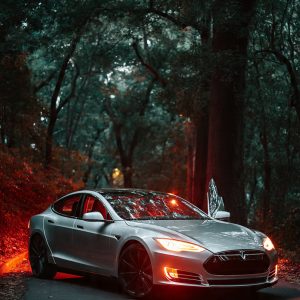
According to the complaint filed by the children of the victims, on 1 November 2024 the 2016 Model S went off the road in Verona (near Madison), Wisconsin, striking a tree and catching fire.
Key allegations include:
-
The battery pack’s lithium-ion structure caused rapid escalation of fire and loss of power to the door release systems.
-
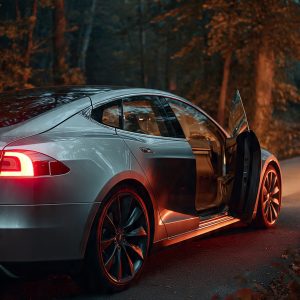
After the crash, occupants were unable to open the electronic door handles or access a hidden manual escape mechanism.
-
A nearby homeowner reportedly called 911 and heard screaming from within the vehicle for up to five minutes before firefighters arrived.
-
The suit claims Tesla knew of prior incidents and emerging risks with door/handle escape designs but failed to act.

Why It’s Significant
-
Design & Escape Failure – The claim centres not on the crash itself (though that is devastating) but on the post-crash escape failure: that the doors and escape route were rendered unusable because the vehicle’s power/battery system went down.
-
Reputation & Precedent – Tesla has already faced lawsuits around its advanced driver-assistance systems (ADAS) and other vehicle safety issues. This adds to mounting regulatory and legal pressure.
-
EV Safety Spotlight – As EVs become mainstream, components such as battery systems, high-voltage wiring, electronic door handles, and emergency egress systems come under new scrutiny.
-
Legal/Regulatory Implications – The suit mentions a probe by the National Highway Traffic Safety Administration (NHTSA) into Tesla doors. If manufacturers are found liable for design flaws that prevent escape in crash-scenarios, this could shift design standards industry-wide.
What the Lawsuit Claims
The complaint (filed in Wisconsin Circuit Court, Dane County) alleges:
-
Negligence, design defect and wrongful death by Tesla.
-
Tesla’s door system lacked intuitive manual override, especially for rear-seat passengers.
-
Tesla “made a conscious departure from known, feasible safety practices” regarding battery/door design.
-
The company knew about prior fires and door handle/escape issues but did not sufficiently warn owners or redesign.
Tesla’s Position & Next Steps
Tesla has not yet publicly responded to this specific lawsuit. The unresolved questions include:
Will Tesla issue a recall for door/handle/escape system design flaws?
-
How will liability be allocated if driver error or crash circumstances contributed?
-
What kind of settlement or jury award might be expected (compensatory/punitive)?
-
Will this case drive regulatory updates (NHTSA or international) around EV door escape systems?
What Owners and Prospective Buyers Should Know
-
If you own or are buying a Tesla Model S (or any EV with electronic/unusual door mechanisms), check the manual for how to manually open the doors/emergency escape procedure.
-
Stay abreast of any safety recalls issued by the manufacturer or NHTSA for door handle, door lock, battery fire risks.
-
Consider installing/keeping tools or information in the vehicle for emergency egress.
-
If you experience or observe any door failures, handle delay, or escape difficulty in your vehicle, report it to NHTSA and your dealer.
-
Remember: Crash survival doesn’t end at impact — rapid escape capability is vital.
Final Thoughts
This tragic case underscores that vehicle innovation must go hand in hand with rigorous safety design, especially in emergent technologies like EVs. As this lawsuit plays out, it may set a precedent: surviving the crash is only half the battle — being able to escape safely is equally critical.
We’ll continue to watch this case and its implications for Tesla, EV safety regulation, and automotive design.

Benzinga
Add a Comment