


President Bola Tinubu has directed new reforms and negotiation strategy to resolve the Academic Staff Union of Universities (ASUU) strike. Here’s the present situation, key issues, and implications for Nigeria’s tertiary education sector.
The Present Situation: What’s Going On With ASUU and the Tinubu Administration
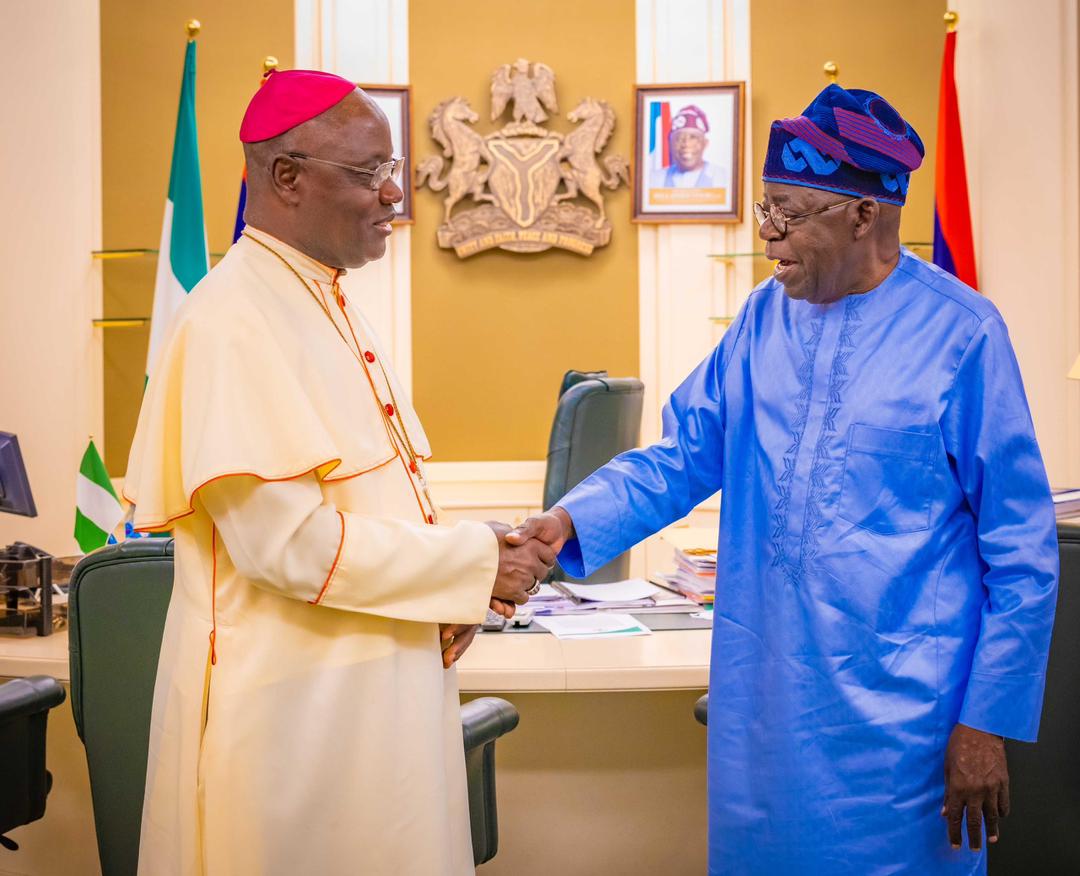


Here’s a detailed breakdown of where things stand between the federal government and ASUU as of early November 2025:
✅ Government’s Position & Action
-
President Tinubu has directed the Federal Ministry of Education to bring an end to the ASUU strike, reaffirming his mandate that universities must stay open. TheCable+2Punch+2
-
The Minister of Education, Tunji Alausa, said the government has “literally met” almost all of ASUU’s demands and is back at the negotiation table. ThisDayLive+2TheCable+2
-
The government has implemented a structural reform: replacing multiple negotiation committees (for universities, polytechnics, colleges) with a unified negotiating body to cover all tertiary institutions. TheCable+1
-
A new transparency-dashboard for tertiary institutional governance and finance has been launched, signalling the administration’s intent to tighten oversight and accountability. The Guardian Nigeria+1
⚠️ ASUU’s Concerns & Threats
-
Despite government assurances, ASUU says the release of key funds (e.g., a ₦50 billion revitalisation fund) has not reached universities. The union warns of a fresh strike within two weeks if outstanding issues aren’t resolved. Arise News
-
ASUU is questioning the adequacy of government payouts (for example, salary/promotion arrears) and is demanding clearer credit alerts rather than just press statements. Arise News
🧮 Key Issues On The Table
-
Payment of salary and promotion arrears for academic staff.
-
Funding and revitalisation of tertiary institutions (infrastructure, equipment, etc).
-
Governance and management reforms of universities (transparency, data usage).
-
Assurance of uninterrupted academic calendars (i.e., minimizing or preventing strikes).
🔍 What’s At Stake
-
For students: ongoing strikes mean delays in graduation, higher costs, and uncertainty.
-
For the government: credibility on its campaign promise of improving education, and the capacity to manage tertiary sector reform.
-
For ASUU: maintaining bargaining power while attempting to ensure meaningful implementation, not just promises.
-
For universities: operational stability, improved funding, better infrastructure and staff welfare.
Analysis: Will This Resolution Hold?
-
The government’s approach seems more structured and assertive than some previous administrations: unified negotiation body, public transparency tools, and direct presidential mandate. That suggests improved odds of sustained settlement.
-
However, ASUU’s caution and threat of another strike reflect underlying distrust based on past broken promises. Unless payments and reforms are verifiably executed—and not just announced—the union may feel compelled to strike again.
-
The statement “we have met virtually all demands” from government must be backed by actual credit alerts, clear timelines, and data-driven verification for it to build trust.
-
The new dashboard and governance reforms are positive but long‐term; they will not instantly resolve arrears or infrastructural deficits, so the risk of re-disruption remains if expectations are not managed.
-
Budgetary constraints, bureaucratic delays, and the sheer scale of Nigeria’s tertiary system pose practical challenges to full execution.
What to Look Out For (and What Students/Stakeholders Should Do)
-
Watch for credible confirmation from ASUU that the funds (arrears, revitalisation) have been credited to university accounts.
-
Check for notifications to students about resumption of lectures, reopening of campuses, and steps to recover lost time.
-
Follow government releases on the dashboard and transparency platform to verify that the institution you’re associated with is reporting the required data.
-
Be aware of any new ultimatum or sit-down from ASUU, given their recent warning. If nothing improves, the risk of re-strike increases.
-
For policymakers and education watchers: monitor whether this reform actually reduces strike frequency over the next year—this will be a key indicator of success.
Final Thoughts
The current situation under President Tinubu’s administration offers a cautiously optimistic outlook for resolving the ASUU strike. The mandate is clear, the process is more unified, and the transparency mechanisms are being strengthened. Yet the proof will be in the delivery: timely funding, clear communication, and genuine, verifiable reform.
If these elements come together, Nigeria’s tertiary education sector could begin a new phase of stability and growth—and that would be a meaningful stride toward improving the quality and reliability of higher education for students across the country.
Let me know if you’d like me to pull in historical context (past ASUU strikes) or student perspectives for inclusion in a fuller feature article.
Add a Comment